
Knowledge is the First Step to Recovery
Our comprehensive resource library provides the scientific, emotional, and community tools needed to navigate the complex journey of rehabilitation and mental wellness.
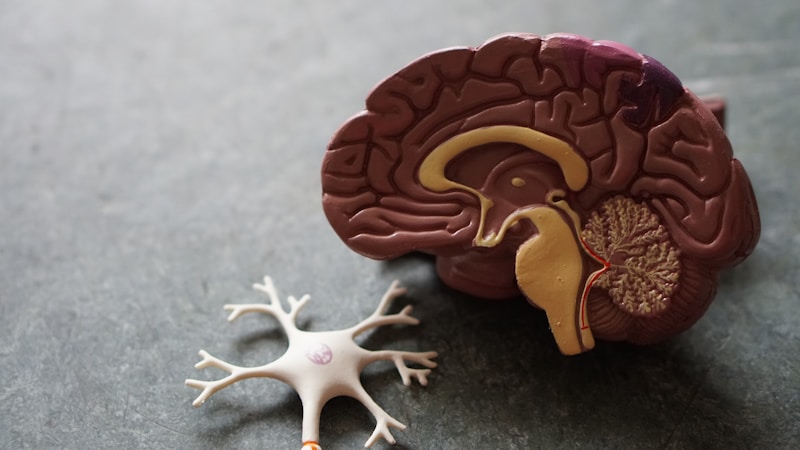
Understanding the Addicted Brain
Addiction is a complex brain disorder characterized by compulsive substance seeking and use. It fundamentally alters the brain's reward system, affecting areas responsible for judgment, decision-making, and memory. Our literature explains how prolonged substance use hijacks the dopamine pathways, making it increasingly difficult for individuals to feel pleasure from normal activities.
By understanding the neurobiology of dependency, patients and families can view recovery as a medical process rather than a failure of willpower. We offer detailed guides on how neuroplasticity allows the brain to heal and rewire itself during long-term sobriety.

The Family Support System
Recovery does not happen in a vacuum; it is deeply influenced by the home environment. Family engagement is one of the strongest predictors of successful long-term recovery. Our resources help families navigate the thin line between supporting a loved one and enabling their addiction.
We provide literature on "Family Systems Theory," which helps households heal together. Understanding boundaries, improving communication, and addressing co-dependency are essential steps in creating a stable foundation for the recovering individual to thrive.

Yoga and Mindfulness in Recovery
Modern rehabilitation often combines traditional medical treatment with holistic practices. Mindfulness-Based Relapse Prevention (MBRP) is a clinical approach that uses meditation to help individuals observe their cravings without acting on them.
Yoga and somatic therapy help restore the physical body, which is often neglected during active addiction. Our guides explain how physical movement helps regulate the nervous system, reducing the chronic stress and anxiety that often lead to relapse.

Relapse Prevention & Crisis Management
Relapse is a process, not an event. It starts weeks or months before the actual use of a substance. Our literature provides a roadmap for identifying the early warning signs—emotional and mental—before they manifest physically.
We offer practical "Urge Surfing" techniques and crisis management plans. Having a written relapse prevention plan is a vital tool for anyone in early recovery, providing a clear set of actions to take when faced with high-risk social situations or emotional triggers.

The Power of Peer Support Groups
Connection is the opposite of addiction. Peer support groups like AA, NA, and SMART Recovery offer a judgment-free zone where individuals can share their struggles and successes. Engagement with a community of people who have walked the same path reduces the profound sense of isolation that often accompanies addiction.
This section explores different community models, from the spiritual focus of the 12-Step programs to the cognitive-behavioral approach of modern support groups, helping you find the right community for your personal beliefs.